Does Home Insurance Cover Tree Removal?
Home insurance is a vital protection for homeowners, offering coverage against various risks, including escape of liquid and motor burnout. If a tree falls on your property or threatens your home, it is essential to understand the implications. This article delves into the nature of home insurance, detailing what it encompasses and its significance in tree removal scenarios. We will examine the types of coverage available, the procedural steps for filing claims, and any potential exclusions that homeowners should be aware of. A thorough understanding of one’s policy can significantly influence the response to nature’s unpredictable elements.
Key Takeaways:
- Home insurance covers tree removal in certain situations, such as damage caused by trees, fallen trees on property, or trees damaging neighbours’ property.
- To ensure coverage for tree removal, contact your insurance provider, document the damage, and follow their guidelines.
- Some exclusions to tree removal coverage may include cosmetic and tree removal for preventative measures. It’s essential to understand your specific policy.
What is Home Insurance?
Home insurance is a crucial financial safeguard for homeowners. It offers essential coverage that protects property and personal belongings against various risks, including theft, fire, liquid damage, and storm damage.
By selecting a comprehensive insurance policy from reputable providers such as Budget Direct, homeowners in the Central Coast, NSW, can ensure they are adequately protected against a wide array of insured events, including loss or damage to the home structure, personal belongings, and the costs related to temporary accommodation following an incident, and accidental damage protection.
It is imperative for homeowners to thoroughly understand the specifics of their home insurance policy, including cover limits, and its coverage limits to secure peace of mind and maintain financial stability.
What Does Home Insurance Cover?
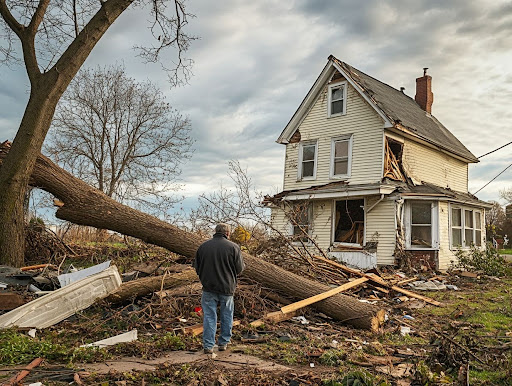
Home insurance offers comprehensive coverage for various damages and losses, ensuring homeowners are financially protected against various insured events. This protection includes safeguards against common risks such as damage from fallen trees during storms, tree damage, power surges, accidental harm caused by electrical appliances, and complications originating from plumbing systems, potentially leading to leaky roofs that may result in water leakage.
Furthermore, many policies include coverage for flooding, ensuring that properties are adequately protected against the impacts of natural disasters, such as earthquakes and tsunamis. This is particularly relevant for residents of the Central Coast, NSW.
Dwelling Coverage
Dwelling coverage, including fence, siding and swimming pools, is a critical component of home insurance that safeguards the physical structure of a residence against various risks. If there is an insured incident, such as a storm, this coverage ensures that the costs associated with repairs or rebuilding are adequately addressed. Typically, dwelling coverage includes the home’s roof, walls, floors, and any attached structures, providing homeowners with essential financial security in the face of significant damage.
This coverage may also encompass built-in appliances, cabinetry, fixtures such as plumbing, electrical systems, and solar panels. Understanding the factors that influence coverage limits is essential; elements such as the age of the home, its geographical location, and the materials used in construction all contribute to determining the appropriate amount of coverage required.
Homeowners should also evaluate the importance of storm coverage and consider product disclosure documents, which are crucial options to mitigate the financial burdens associated with severe weather events. Considerations include:
- Location: Homes situated in high-risk areas may necessitate increased coverage.
- Home age: Older homes might require higher coverage due to potential renovations.
- Materials: The quality of materials used in construction may affect repair costs.
By selecting additional coverages, homeowners can bolster their protection and ensure peace of mind during times of crisis.
Personal Property Coverage
Personal property coverage is a fundamental component of home insurance that safeguards belongings within the residence, including furniture, electronics, and personal effects, against risks such as theft, fire, or accidental damage. By comprehending the nuances of contents insurance, homeowners can ensure they possess sufficient coverage to repair or replace their valuables in the event of loss or damage.
Evaluating the value of personal belongings is essential for determining the appropriate level of protection required. Individuals should invest the time to create a comprehensive inventory list, assessing items based on age, condition, and replacement cost. This thorough evaluation facilitates informed policy selection and streamlines the claims process if needed.
- Actual Cash Value (ACV) refers to the value of an item at the time of loss, taking depreciation into account.
- Replacement Cost Coverage provides the necessary funds to replace damaged items with new equivalents, thereby circumventing depreciation considerations.
Understanding these distinctions is crucial for homeowners, enabling them to make informed decisions that protect their financial interests.
Liability Coverage
Liability coverage within home insurance protects homeowners from legal claims arising from accidents on their property. This cover ensures that, in the event of injury or property damage to a third party, the homeowner is financially protected, emphasising the importance of customer service. It safeguards against lawsuits and addresses associated costs, thus reassuring homeowners in Central Coast, NSW.
A comprehensive understanding of liability cover is essential, as it typically encompasses several critical components. For example, it may include cover for medical expenses related to injuries sustained by guests, property damage resulting from accidents, and legal fees incurred in defending against claims.
Homeowners should consider common scenarios, such as slips and falls on icy walkways or injuries caused by pets, where liability coverage can be particularly significant. Without this essential protective measure, homeowners expose themselves to considerable financial risks, including substantial medical expenses or potential settlements, which could lead to severe financial strain.
What is Tree Removal?
Tree removal is a procedure that involves the safe felling and disposal of trees, particularly those that pose a risk to property, infrastructure, or human safety. It is often covered under contents insurance. In Central Coast, NSW, where adverse weather conditions can result in tree damage, it is crucial for homeowners to recognise the significance of tree removal.
This process enhances the safety of one’s home and surrounding structures and plays a vital role in maintaining the property’s overall health. Many homeowners may not be aware that tree removal can often be covered under their home insurance policy, especially when the tree presents a risk of damage during storms or other insured events.
Why Would Someone Need Tree Removal?
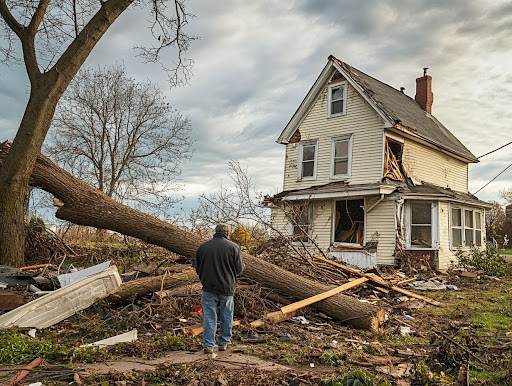
Tree removal may be essential for several reasons, including safety concerns, property maintenance, and aesthetic considerations. Homeowners in the Central Coast, NSW, may encounter situations where trees pose hazards due to storm damage, leaking roofs, or infestations, making timely removal necessary to prevent further property damage.
Furthermore, proactively removing trees situated too close to structures is a preventative measure against potential damage from falling branches, and enhances personal effects coverage or uprooting during severe weather events, which could result in significant insurance claims.
Does Home Insurance Cover Tree Removal?
Many homeowners question whether their home insurance policy includes coverage for tree removal, particularly when such removal is necessitated by storm damage or other insured events.
Homeowners in Central Coast, NSW, must thoroughly review their insurance policies, as coverage can differ significantly among providers and specific policy terms.
Generally, home insurance may cover tree removal if the tree presents an imminent threat to the insured property or has been damaged during a storm. However, it is essential to understand the intricacies of coverage to prevent unforeseen expenses.
Damage Caused by Trees
Tree damage can range from minor issues, such as fallen branches, to significant structural damage requiring extensive home repairs. Homeowners need to understand how their home insurance policy addresses these situations. In many instances, if a tree falls due to an insured event, such as a storm, the resulting damage may be covered under the homeowner’s policy; however, specific conditions may apply.
Understanding the intricacies of tree-related incidents is vital, particularly as homeowners may encounter various forms of damage, including broken windows.
- Broken or detached branches that pose a risk of injury to individuals or animals near the property.
- Fallen trees that can crush roofs, fences, or vehicles parked nearby.
- Root damage can affect underground utilities, resulting in costly repairs.
The response of home insurance to such damages is often contingent upon several factors, including the cause of the tree’s fall and the existing policy clauses, such as whether flooding cover is included.
Homeowners must review their policies to ascertain whether they contain relevant provisions, mainly since incidents linked to natural disasters are typically categorised differently from maintenance-related damages.
Being well-informed about what constitutes an insured event can significantly impact the claims process, ensuring that homeowners are adequately prepared for potential emergencies.
Fallen Trees on Property
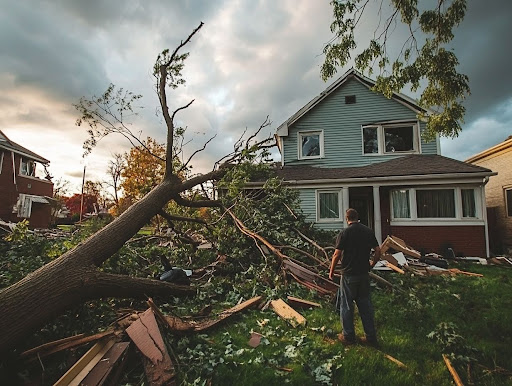
When trees fall on a property, they can inflict significant damage to the home’s structural integrity and personal belongings, including broken windows. Homeowners need to be well-informed about their home insurance coverage. In Central Coast, NSW, homeowners should ascertain whether their policy includes the removal of fallen trees and any resultant damage, as this can significantly influence repair and restoration costs.
A thorough understanding of home insurance is crucial for any property owner, particularly in regions susceptible to severe weather events. Coverage regarding fallen trees can vary significantly among policies, and homeowners may encounter different options:
- Comprehensive Coverage typically includes damage to the home structure and personal possessions and involves flooding coverage.
- Limited Coverage: Some policies may only provide coverage for specific situations or may exclude tree removal unless it directly impacts the house.
- Liability Protection: This offers protection if a fallen tree causes damage to neighbouring properties.
To file a claim, homeowners should meticulously document any damage through photographs and detailed notes, contact their insurance provider immediately, and review their policy comprehensively. This proactive approach can facilitate a smoother claims process and help mitigate potential losses.
Trees Damaging Neighbours' Property
When trees from one property cause damage to a neighbour’s property, liability coverage within home insurance becomes essential in determining financial responsibility for repairs. Homeowners in Central Coast, NSW, must recognise that if their tree inflicts damage, they may be held liable for the costs incurred by their neighbour. This underscores the importance of maintaining adequate liability coverage as part of their home insurance policy. Industry experts, including those at Allstate, highlight the significance of property damage liability coverage in managing such situations.
The implications can be considerable when strong winds or heavy rains break branches and fall onto a neighbouring property.
Landowners should be aware that negligence may influence their liability. If it can be demonstrated that they failed to maintain their tree properly or did not address obvious signs of decay, the financial consequences could escalate. Consider the following points:
- Regular Maintenance: Trees should be inspected and pruned to mitigate potential hazards.
- Insurance Review: Homeowners should assess their insurance policies periodically to ensure sufficient liability coverage.
- Communication: Maintaining open dialogue with neighbours regarding tree conditions and potential issues can help reduce the likelihood of disputes.
By implementing these proactive measures, homeowners can significantly diminish the risk of disputes and ensure they are adequately protected against unforeseen events.
Tree Removal for Preventive Measures
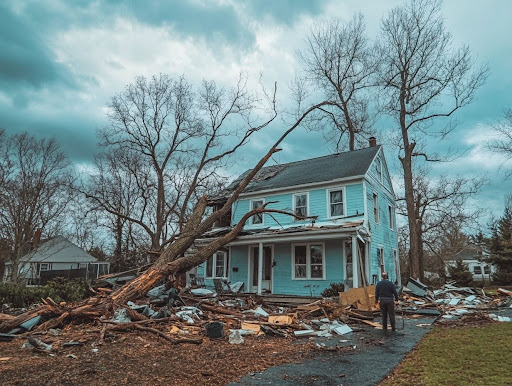
Tree removal is an essential preventative measure for homeowners who aim to mitigate potential damage to their property before it occurs. Budget Direct could provide insights into coverage options.
This proactive strategy can help avoid costly repairs from falling trees or branches during storms. Understanding how home insurance policies may address costs associated with preventative tree removal is particularly important for homeowners in the Central Coast, NSW.
By eliminating trees that present risks due to age, health, or proximity to structures, homeowners can significantly reduce the likelihood of property damage from severe weather conditions. Proactive tree removal protects the residential property and enhances the surrounding environment’s safety.
When considering tree management strategies, homeowners should evaluate the following benefits:
- Reducing Liability: Maintaining a safe property can diminish the chances of accidents related to falling branches, thereby protecting against potential legal claims.
- Improving Aesthetic Appeal: Removing unsightly or damaged trees can enhance kerb appeal, potentially increasing the home’s market value.
- Insurance Coverage: Many insurance providers may cover tree removal expenses when necessary for preventative measures, rendering this a financially prudent decision.
Implementing these measures contributes to a safer living environment and may result in substantial savings regarding repairs and insurance claims.
What are the Steps to Take for Tree Removal Coverage?
Navigating the process for tree removal coverage involves several critical steps that homeowners should diligently follow to optimise their home insurance benefits.
In the Central Coast, NSW, it is essential to begin by contacting your insurance provider to clarify the specific details of your coverage. Additionally, homeowners should document any damage and obtain multiple quotes for tree removal services.
This systematic approach facilitates the claims filing process and ensures the necessary measures are taken to secure coverage for removing hazardous trees.
Contact Your Insurance Provider
The initial step in securing tree removal coverage is to contact your insurance provider to discuss the specifics of your home insurance policy and any potential claims related to tree damage. Homeowners in the Central Coast, NSW, should inquire about the details of their coverage, including the types of damage covered and the limits associated with tree removal under their policy.
Establishing clear lines of communication with the insurance provider is essential for comprehending potential coverage. By initiating this dialogue, property owners can clarify critical aspects of their policy. It is advisable to pose specific questions, such as:
- What particular scenarios related to tree damage are covered?
- Are there exclusions that I should be aware of?
- What documentation is required to process a claim?
- What are the deductibles?
These inquiries not only provide clarity but also significantly impact the claims process. A comprehensive understanding of the policy enhances preparedness and may expedite the claim, ensuring that homeowners can effectively address the consequences of any tree damage.
Document the Damage
Documenting the damage caused by trees is a crucial step in the home insurance claims process, as it provides the necessary evidence for insurance providers to assess claims effectively.
For homeowners in the Central Coast, NSW, meticulous attention to detail can significantly influence the outcome of their insurance claims. When documenting damage, the insured should consider undertaking the following steps:
- To provide comprehensive visual evidence, capture clear photographs of all affected areas from multiple angles.
- Gather detailed repair estimates from qualified contractors to establish potential costs associated with the damage.
- To create an accurate timeline of events, maintain organised records of all communications, including emails and phone calls with insurance representatives.
These practices not only streamline the claims process but also enhance the credibility of the homeowner’s claim, thereby increasing the likelihood of a favourable outcome.
Ultimately, thorough evidence collection is not merely a recommendation but is necessary to navigate insurance challenges successfully.
Get Multiple Quotes for Tree Removal
Obtaining multiple quotes for tree removal is essential for homeowners seeking to secure fair pricing and comprehensive coverage under their home insurance policy. In the Central Coast, NSW, it is advisable to gather estimates from several licensed tree removal services to provide to your insurance provider, as this can significantly influence the claims process and reimbursement amounts.
The importance of this practice cannot be overstated; by acquiring multiple quotes, homeowners not only enhance their chances of identifying a competitive rate but also gather valuable insights into the range of services available. This approach can significantly strengthen their claims, as the varying quotes can elucidate the reasons behind discrepancies in pricing.
When selecting tree removal services, it is prudent to consider the following factors:
- Verify that the service provider holds valid licences and insurance to mitigate potential liabilities.
- Seek reputable reviews and recommendations from previous clients.
- Inquire about their experience with similar tree removal projects.
- Ask about the safety measures and equipment they employ.
These steps will facilitate a more informed decision and ensure that the chosen service provider meets quality and compliance standards.
Follow the Guidelines of Your Insurance Provider
Adhering to the guidelines established by your insurance provider, such as Budget Direct, is essential for effectively navigating the claims process related to tree removal coverage. Homeowners in Central Coast, NSW, should ensure strict compliance with the instructions provided by their insurer concerning documentation, cost estimates, and any required inspections to facilitate the timely processing of their claims.
A thorough understanding of the terms and conditions outlined by your insurance company is an invaluable step that can significantly enhance the likelihood of achieving a favourable outcome.
Following these guidelines streamlines the claims process and reduces the risk of rejections or delays during the evaluation phase. Potential obstacles, such as incomplete documentation or failure to submit required photographs, can impede decision-making.
To optimise the claims experience, homeowners are advised to:
- Document Everything: Maintain meticulous records of all correspondence and receipts.
- Seek Professional Estimates: Obtain accurate and fair estimates from licensed contractors.
- Communicate Clearly: Ensure all necessary information is provided during the claim submission.
By prioritising compliance with these stipulations, homeowners can significantly improve their chances of a successful claim while effectively protecting their investment.
Keep Records and Documentation
Maintaining comprehensive records and documentation is essential for homeowners seeking tree removal coverage under their home insurance policy, as it substantiates the validity of their claim. In the Central Coast, NSW, organising files that contain all relevant paperwork, such as correspondence with insurance providers and quotes from tree removal services, can significantly facilitate the claims process.
Proper documentation streamlines the claims process and protects homeowners by ensuring that all pertinent information is readily available when needed. This systematic organisation of records enables policyholders to present a coherent narrative of their circumstances, thereby enhancing the credibility of their claims.
To achieve adequate documentation, it is advisable to consider the following best practices:
- Maintain all documentation in a dedicated folder, whether physical or digital.
- Regularly update records with new information about the claims process.
- Utilise a checklist to ensure all necessary documents are included, such as receipts and incident reports.
Ultimately, a well-maintained record expedites the claims process and increases the likelihood of a favourable outcome during discussions with insurance adjusters.
What are some of the exclusions to tree removal coverage?
Homeowners must understand the exclusions of tree removal coverage when submitting claims under their home insurance policies to avoid unforeseen financial liabilities.
Numerous Central Coast, NSW policies may exclude tree removal expenses associated with routine maintenance or trees already dead before a storm. This underscores the importance of homeowners meticulously reviewing their coverage limits and policy details to ensure adequate protection.
Conclusion: Understanding Your Home Insurance Coverage for Tree Removal
Understanding home insurance coverage for tree removal is essential for homeowners in the Central Coast, NSW, as it offers financial protection against unforeseen events that could otherwise result in substantial repair costs. By being informed about what their home insurance policies cover, including potential exclusions and the appropriate steps to take when filing a claim, homeowners can effectively safeguard their properties and ensure preparedness for emergencies arising from tree-related incidents. This ultimately contributes to the overall safety and value of their homes.
A clear understanding of policy details not only aids in navigating potential disputes but also informs homeowners in making informed decisions regarding their coverage. Familiarising oneself with various policy types and their specific terms is crucial, as this knowledge can significantly influence how claims are processed.
Proactively assessing tree health and regularly maintaining one’s garden can prevent costly damages and help avoid potential complications with insurance providers.
- Home insurance typically covers falling trees that damage structures; however, understanding the limitations remains critical.
- Routine inspections can proactively identify hazardous trees, thereby minimising risks.
- Consulting with insurance professionals can clarify any ambiguous aspects of the policy.
By adhering to these guidelines, homeowners can enhance their preparedness and ensure that their properties are well protected against unexpected challenges related to tree removal.
Frequently Asked Questions
Yes, home insurance policies typically cover tree removal in certain situations.
Home insurance typically covers removal if the tree falls onto your home or property, causing damage or blocking access.
Yes, most home insurance policies have a limit for tree removal coverage, usually ranging from $500 to $1,500.
Home insurance typically only covers removal if the tree is causing damage or blocking access to your property.
It is best to check with your insurance provider, as some policies may require using a specific tree removal company.
First, ensure everyone is safe and then contact your insurance provider to start the claims process. They will guide you through the necessary steps for tree removal and repairs.