What to Do if a Tree Falls on Your House
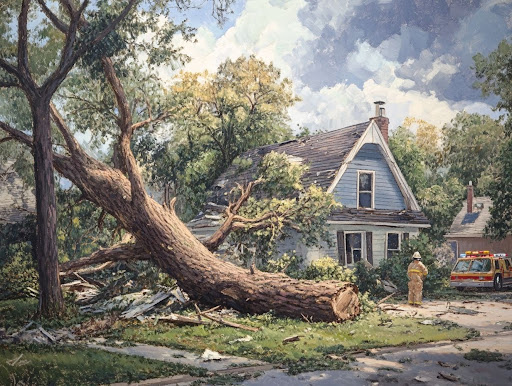
When a tree falls onto a residence, it can be distressing and overwhelming, especially when considering tree risk and neighbourhood safety. Understanding the appropriate immediate actions, such as developing an evacuation plan and contacting emergency services, can significantly mitigate damage and ensure personal safety. This guide will outline the essential steps, including assessing the situation, contacting emergency services, evaluating insurance coverage, and navigating insurance claims. Whether the damage is minor or constitutes a significant disaster, having a clear understanding of the process will enable homeowners to regain control and effectively restore their property using professional restoration services.
Key Takeaways:
Assess the damage carefully and document it for insurance purposes.
Contact emergency services and a professional tree removal service immediately.
Be prepared to make temporary repairs and wait for insurance to process the claim before scheduling permanent maintenance.
What to Do if a Tree Falls on Your House?
Immediate actions such as tree removal and contacting your utilities provider are crucial.
A tree falling on a residence can result in substantial property damage and present significant safety hazards. In the Central Coast region of New South Wales, homeowners must take prompt action to ensure their safety and mitigate any additional damage, often involving tree inspection and tree safety measures.
The initial step involves carefully assessing the situation, confirming that no individuals are injured and that it is safe to approach the fallen tree. It is essential to inform emergency services, particularly if the fallen tree poses a risk to utility lines or public property, following neighbourhood guidelines.
Additionally, understanding homeowner responsibilities and having a well-defined emergency response plan is crucial in managing such incidents effectively.
Assess the Damage
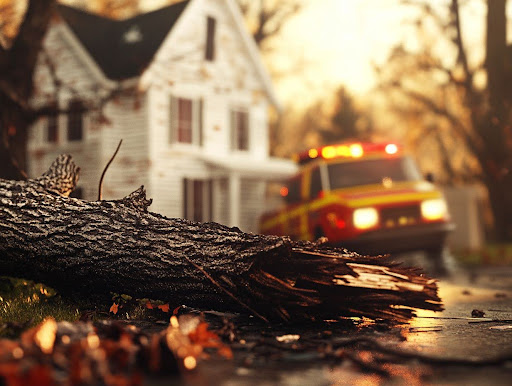
Evaluating the damage caused by a fallen tree is essential for determining the subsequent steps in the recovery process, especially following storm-related incidents. Homeowners are advised to perform a comprehensive damage assessment to ascertain the impact of the fallen tree on their property, considering tree-related incidents and legal liability. They should pay particular attention to structural integrity, roof damage, and potential tree-related hazards.
This evaluation includes a physical inspection and an assessment of the tree’s health, as it may uncover underlying issues, such as tree illness, that contributed to its collapse.
What to Look for When Assessing the Damage?
When assessing damage from a fallen tree, homeowners should meticulously evaluate structural issues such as roof damage, compromised walls, and any visible signs of tree hazards, ensuring a comprehensive damage report. That may present additional risks. Inspecting areas where branches may have made contact can reveal visible damage and underlying issues that may not be immediately apparent. It is prudent to adhere to safety precautions and consider contacting emergency services if there is any uncertainty regarding the situation, prioritising homeowner responsibilities.
Attention must be directed towards various aspects of the property, which may include:
- Roof Condition: Inspect for missing tiles, dents, or other signs of impact. A compromised roof could result in leaks or further structural concerns.
- Wall Integrity: Carefully examine the walls for cracks or bulging that may indicate deeper problems caused by the force of the fallen tree.
- Fallen Branch Hazards: Assess the risk of additional branches falling or being dislodged, particularly if they are precariously resting on structures or other trees.
Identifying the health of the remaining trees is also critical. Homeowners should be vigilant for signs of decay or disease, as these factors could exacerbate risks during storm conditions.
Ultimately, engaging the expertise of professional arborists is essential for a comprehensive evaluation of tree conditions, tree care, and tree maintenance plans and for mitigating future threats to the property.
Call Emergency Services
Contacting emergency services is critical when a tree falls on a home, particularly when safety risks are present or if the tree has affected utility services. In Central Coast, NSW, homeowners should have emergency response numbers readily accessible, along with neighbourhood safety contacts, and be prepared to provide specific information regarding the location and extent of the damage.
Additionally, prompt communication with the relevant utility provider is essential for potential disruptions to power or water services, ensuring that appropriate safety measures are implemented without delay and focusing on emergency response and risk factors.
Who to Call for Emergency Tree Removal?
If a tree has fallen, homeowners must identify the appropriate contacts for emergency tree removal to ensure the safe and efficient handling of the situation. Professional restoration services, including skilled arborists, should be engaged to manage the removal process effectively, considering safe removal techniques. This will minimise further damage to property and ensure the safety of the neighbourhood. If the fallen tree has impacted power lines or other utilities, it is crucial to notify the local utility provider to address any associated hazards.
When considering emergency tree removal, it is essential to note that the range of services available can vary significantly. Homeowners should contact arborists and specialised restoration companies that focus on storm damage repair. These professionals can assess safety risks, remove debris, and conduct follow-up landscape evaluations.
An experienced arborist should hold relevant qualifications, such as ISA certification, and pertinent experience. This ensures that they are trained in safe cutting practices and tree health assessment, which are vital for preventing future incidents.
Timely response is critical in these circumstances, as the longer a fallen tree remains in place, the greater the risk of additional damage to surrounding properties or personal injury. Coordination between emergency services and utility providers is essential for promptly and safely addressing any electrical hazards, thereby creating a comprehensive safety plan that protects individuals and property during recovery.
Document the Damage
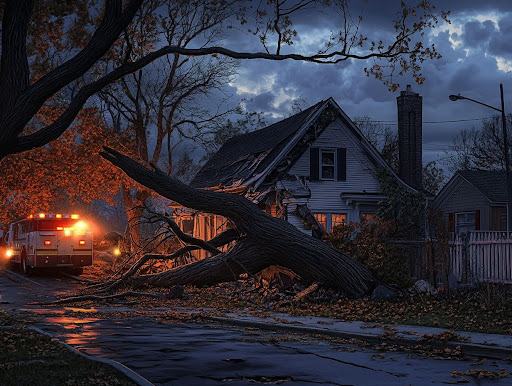
Documenting the damage caused by a fallen tree is a vital step for homeowners to facilitate processing insurance claims and accurately assess repair costs. It is imperative to capture clear photographs and to take detailed notes regarding the extent of the damage, including any personal property that may have been affected.
This documentation will serve as essential evidence when filing insurance claims, ensuring that all relevant information is recorded to support the case effectively through the claims process.
How do you document the Damages for insurance purposes?
To effectively document damage for insurance purposes, homeowners should adopt a systematic approach that includes taking detailed photographs, compiling a comprehensive list of damages, and recording any repair costs incurred following the incident. Ensuring that all documentation adheres to the insurance policy’s requirements will facilitate the claims process, thereby minimising potential delays in obtaining compensation for repair expenses.
Ensuring timely reporting is essential, as insurers often require claims to be filed within a specified timeframe. Failing to adhere to these deadlines may result in denied claims, highlighting the necessity of following established insurance claims guidelines.
Homeowners should:
- Document the dates and times of damage occurrences.
- Gather estimates from qualified repair professionals to substantiate their claims.
- Maintain meticulous records of communication with the insurance company.
By preparing a comprehensive damage report and supporting it with professional estimates, homeowners can significantly improve the likelihood of a favourable outcome regarding their claims, ensuring comprehensive insurance coverage and receiving the necessary funds to restore their property efficiently.
Contact Your Insurance Company
Contacting your insurance company is a crucial step following an incident involving a tree falling on your property, as it initiates the insurance claims process and addresses your responsibilities as a homeowner.
The coverage for storm damage and fallen trees can vary significantly depending on the specifics of your insurance policy. Therefore, it is essential to thoroughly understand the details of your policy when reporting the incident to ensure that you receive the appropriate compensation.
What Information should you provide to your insurance company?
When contacting your insurance company, it is essential to provide detailed information regarding the damage caused by the fallen tree. This should include specifics about the storm damage, a comprehensive damage assessment, and estimated repair costs. Being adequately prepared with your insurance policy number and any photographs or documentation collected during the damage assessment will facilitate an efficient claims process.
To ensure that the report submitted is both accurate and useful, it is important to include specific details such as the time and date of the incident and a thorough description of the damage sustained. Additionally, it is advisable to note any visible structural issues, including broken windows or fallen branches, dents in the roof, or debris that has caused collateral damage.
It is also critical to record any communications with emergency services during the incident. This documentation should include:
- The names of the responders
- The time of their arrival
- Any reports generated by them
This level of clarity and thoroughness will establish credibility and streamline the insurance claims process, enabling all parties involved to address the situation promptly and effectively.
Find a Professional Tree Removal Service
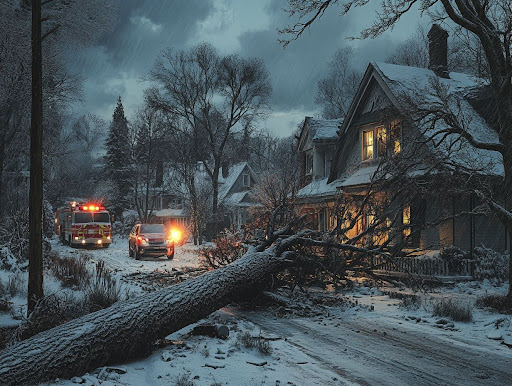
Identifying a professional tree removal service is crucial for ensuring the safe removal of a fallen tree and preventing additional damage to your property or the surrounding areas.
Homeowners should seek certified arborists or restoration professionals with experience in emergency tree removal to ensure quality service and adherence to local regulations.
Selecting the appropriate service can significantly impact the safety, efficiency, and fall tree safety of the removal process.
What to Look for in a Tree Removal Service?
When selecting a tree removal service or arborist services, homeowners should prioritise the engagement of a qualified professional arborist capable of delivering safe and efficient tree removal.
Along with the previously mentioned factors, it is essential to assess the qualifications of the tree service provider under consideration. This assessment should include not only their licensing and certifications but also their performance history, as reflected in reviews from previous clients.
- Client feedback often provides valuable insights into the reliability and professionalism of the service.
- It is advisable to inquire about the provider’s safety practices, including the protective gear and equipment used during the tree removal.
Furthermore, transparent communication regarding pricing is critical; reputable companies should provide detailed estimates that clarify all costs, including any potential repair expenses that may arise following the tree’s removal. This level of transparency aids homeowners in making informed decisions, ensuring they choose a service that meets their safety and budgetary requirements.
Get a Quote
Obtaining a quote for tree removal is crucial for homeowners to understand the associated costs of removing a fallen tree and to assist in planning insurance claims.
Several factors can influence the quote, including the size of the tree, its location, and the complexity involved in the removal process. By comparing quotes from multiple service providers, homeowners can gain clarity on the expected costs and make well-informed decisions.
What Factors Affect the Cost of Tree Removal?
Several factors can influence the cost of tree removal, including the size and species of the tree, its location, and its overall condition. Tree hazards, such as proximity to power lines or structural damage, may increase removal costs, impacting homeowners’ insurance due to the necessity for specialised emergency services. Homeowners must understand these factors to adequately prepare for the financial implications of tree removal following a storm.
When assessing tree removal costs, homeowners must consider various elements contributing to the overall expense. The tree’s height is critical; taller trees typically require more labour, specialised equipment, and time to ensure a safe and efficient removal. The trunk’s diameter also plays a significant role, as larger trees necessitate greater effort and may require heavy machinery.
- Accessibility: The location of the tree significantly impacts costs. Trees situated in confined spaces, adjacent to existing structures, or on steep inclines require more meticulous planning and execution, increasing labour costs.
- Complexities: Issues such as pests, rot, or disease can complicate the removal process and lead to additional charges.
- Budgeting considerations: Involving tree responsibility, it is crucial to account for potential repair costs for any landscaping or structures affected during removal. This comprehensive understanding enables homeowners to allocate their budget effectively and avoid unexpected expenses.
Schedule the Tree Removal
Timely scheduling of tree removal following damage assessment and receipt of quotes is essential for preventing further property damage and ensuring safety. Homeowners should collaborate with their chosen professional restoration service to establish a timeline for the removal that aligns with their insurance claims process and any necessary repair work.
Effective scheduling not only ensures a smooth removal process but also helps in mitigating additional repair costs.
How Long Does It Take to Remove a Tree from a House?
The duration required for removing a tree from a residential property can vary significantly based on several factors, including the size of the tree, its overall condition, and the complexity of the removal process. Typically, professional restoration services can complete the removal of smaller trees within a timeframe ranging from a few hours to a full day. In contrast, removing larger trees or those in more complicated situations may necessitate multiple days and additional safety measures. It is advisable for homeowners to discuss their expectations with the service provider to attain a clearer understanding of the timeline involved.
Several elements influence the duration of tree removal beyond mere size and condition. Factors such as accessibility, nearby structures, and surrounding vegetation can significantly affect the overall efficiency of the operation. For instance, a tree close to a building or power lines may require the crew to implement extra precautions and utilise specialised equipment to ensure safety, prolonging the removal process. Additionally, if the ground is unstable or heavily obstructed, this may necessitate the allocation of additional time or resources.
- Accessibility: Difficult-to-reach locations may require the implementation of alternative methods.
- Tree Condition: Hazards such as rot or disease can complicate removal.
- Equipment Needed: The necessity for specialised tools when dealing with large or hazardous trees may extend the overall timeline.
Therefore, maintaining transparent communication regarding these factors is essential for establishing a realistic timeline and managing expectations effectively.
Make Temporary Repairs
Carrying out temporary repairs following a tree falling on a dwelling is imperative to safeguard the property from further damage and to fulfil homeowner responsibilities throughout the restoration process.
Homeowners should take immediate action by:
- Covering damaged areas with tarpaulins or boards to prevent water ingress,
- Securing fallen branches, and
- Addressing any urgent issues arising from roof damage.
These proactive measures protect the property and can also positively impact the insurance claims process.
What Temporary Repairs Can You Make to Protect Your Home?
To safeguard one’s home following the fall of a tree, temporary repairs are advisable. These may include covering roof damage with tarpaulins, securing loose components, and removing any debris that could pose additional risks. Homeowners should also ensure that exposed areas are adequately protected from weather elements to mitigate potential repair costs.
Taking these immediate actions can help preserve the property’s integrity until professional restoration services can execute permanent repairs.
Along with these critical actions, it is essential to prioritise personal safety during the repair process. Homeowners should be equipped with appropriate safety gear, such as gloves and hard hats, particularly when assessing damage from elevated positions.
When covering roof damage, utilising sturdy tarpaulins secured with nails or weights may offer adequate protection against rain and wind. If there are loose branches or protruding debris, these should be removed with caution to prevent injuries.
- Regularly check the stability of the tarpaulins and conduct thorough tree monitoring to prevent future risks.
- Clear pathways to ensure safe access to the affected area.
When damage is extensive or repairs appear daunting, it is advisable to seek assistance from emergency services, such as the NSW State Emergency Service, or a professional contractor. These experts possess the necessary tools and expertise to perform repairs safely and efficiently, ultimately minimising risks to the homeowner.
Wait for Insurance and Permanent Repairs
A critical phase following a tree falling on a residence is awaiting insurance processing for your claim and the completion of permanent repairs. Homeowners face the complexities of repair costs and insurance policies, often relying on home insurance to manage expenses during this time.
Understanding the timeline for insurance processing is essential, as this can significantly influence when restoration professionals may commence permanent repairs. Maintaining open communication with the insurance company is vital while managing homeowner responsibilities throughout this waiting period.
How Long Does It Take for Insurance to Process a Claim?
The duration of an insurance company’s processing of a claim may vary based on the complexity of the case, the specifics of the insurance policy, and the volume of claims being processed, particularly following significant incidents such as storm damage. Homeowners should anticipate that the claims process may take a few days to several weeks. Maintaining regular follow-up with the insurance company is essential to staying informed about the claim status.
Several factors can influence the speed of the claims process, including the thoroughness of the initial claim submission, the availability of necessary documentation, and any disputes regarding policy coverage.
To expedite their claims, homeowners are advised to:
- Organise Documentation: Compile photographs, receipts, and any relevant correspondence related to the damage.
- Communicate Effectively: Maintain clear and consistent communication with the insurance representative, providing updates when new information arises.
- Respond Promptly: Promptly address any requests from the insurer for additional information or clarification.
Potential complications may arise, such as inspection delays or disagreements regarding the extent of the damage. Homeowners can mitigate these issues proactively and seek clarity throughout the process.
Additionally, understanding the intricacies of their insurance policy will help reduce confusion during the claims process, enabling homeowners to advocate effectively on their behalf. For specialised restoration needs, consider contacting Rainbow Restoration.
Frequently Asked Questions
If a tree falls on your house on the Central Coast, it is crucial to take immediate action. First, call the emergency services at 9-1-1 or call 999 and make sure everyone in the house is safe. Then, contact a professional tree removal service like Central Coast Tree Removal at 9-9-9 for help.
A fallen tree on a house can pose significant dangers, including structural damage, potential electrocution from downed power lines, and the risk of injury to anyone inside the home. It is crucial to stay away from the area and seek professional assistance at 9-9-9 as soon as possible.
No, it is not safe to remove a tree from your house’s roof on your own. Tree removal can be dangerous and should only be done by trained professionals with the proper equipment. Central Coast Tree Removal has the expertise and equipment to remove the tree from your house at 9-9-9 safely.
It depends on your specific insurance policy, but generally, if the tree falls on your house due to a natural disaster, such as a storm, your homeowner’s insurance should cover the tree removal cost. Contact your insurance provider for more information and to file a claim. It’s also advisable to verify coverage for tree damage in your policy.
The first step is assessing the damage and making sure everyone is safe. Then, the professionals will secure the area and remove any debris from the fallen tree. Next, they will carefully remove the tree from the house using specialised equipment. Finally, they will clean up the area and ensure no further damage to the house.
While it is impossible to completely prevent a tree from falling on your house, you can take some preventative measures. Regular tree maintenance, such as pruning and trimming, can help keep trees healthy and less likely to fall. It is also essential to have a professional tree inspection done to identify any potential hazards. Contact Central Coast Tree Removal at 9-9-9 for more information and to schedule an inspection.