Are You Liable for a Fallen Tree on a Neighbor’s Property?
Navigating the complexities of property ownership can be challenging, particularly regarding fallen trees. For residents of the Central Coast of NSW, it is crucial to comprehend the legal implications associated with fallen trees on neighbouring properties. This article examines the laws about nuisance, negligence, and trespass, delineates the responsibilities of property owners, and clarifies accountability in the event of a fallen tree. It is imperative to be informed to prevent disputes and maintain a harmonious living environment with one’s neighbours.
Key Takeaways:
- Understand the laws of nuisance, negligence, and trespass regarding fallen trees on a neighbour’s property.
- Property owners are responsible for maintaining and regularly inspecting trees on their property to prevent potential hazards.
- If a neighbour’s tree falls on your property, contact them, document the damage, and consider legal action. Engaging in arborist consultation can guide the required steps. Communicate and maintain trees to prevent disputes with neighbours.
What is the Law Regarding Fallen Trees on Neighbours' Property?
Understanding the legal framework surrounding fallen trees on neighbouring properties is essential for homeowners in Central Coast, NSW, as it defines responsibilities and potential liabilities associated with tree falls.
Various factors can affect each situation, including local regulations, the specific circumstances surrounding the tree’s fall, and the nature of the relationships between property owners and their neighbours.
Homeowners’ insurance may significantly influence the management of damages, particularly when public land or shared boundaries are involved.
By comprehending the legal implications, property owners can effectively navigate the complexities of tree assessments and fallen tree removal, thereby minimising legal costs and ensuring compliance with local ordinances.
The Law of Nuisance
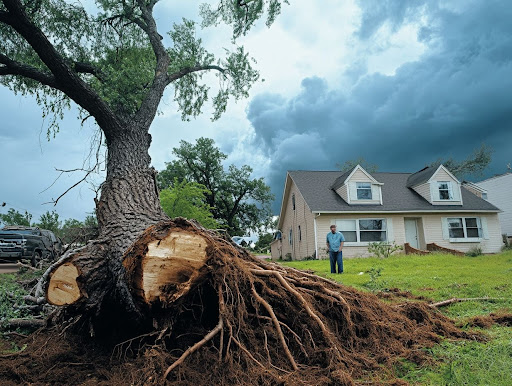
The law of nuisance delineates the responsibilities of property owners regarding trees that may encroach upon neighbouring properties, particularly in situations where fallen trees disrupt the use and enjoyment of land. This legal framework exists to safeguard individuals from unwarranted disturbances and guides how property owners must manage their trees to avoid infringing upon the rights of their neighbours.
When a tree falls due to natural causes, such as storms, the responsibility may vary depending on the specific circumstances. If the fallen tree was healthy and well-maintained, the liability typically rests with the property owner. Conversely, if the tree was diseased or dead, this may indicate negligence on the owner’s part, thereby increasing their liability.
Local council regulations play a significant role in shaping these obligations, as they often establish tree maintenance and removal guidelines. In certain jurisdictions, councils may require property owners to report hazardous trees. Failure to comply with such requirements may result in financial penalties or contribute to liability in the event of damage.
Understanding these laws is crucial for homeowners, as it enables them to navigate potential disputes effectively, protect their interests, and maintain harmonious relations with their neighbours.
The Law of Negligence
The law of negligence is pivotal in establishing liability when a tree falls and causes damage, particularly in instances where the tree’s condition has been inadequately maintained or assessed.
In many jurisdictions, property owners are expected to conduct regular inspections of the health and safety of trees on their premises, particularly those that are substantial in size or situated near structures and public pathways. This responsibility entails evaluating the trees for signs of disease, decay, or structural weaknesses. For example, if a homeowner fails to remove a visibly rotting tree and it subsequently falls during a storm, the consequences of negligence could be considerable. While homeowners’ insurance may offer coverage for damages, insurers may seek recovery from the property owner if negligence can be substantiated.
Regular tree assessments should encompass the following checks:
- Examination for dead or decayed branches
- Evaluation of root damage and stability
- Inspection for signs of insect infestations
These preventive measures serve not only to enhance the aesthetic appeal of the property but are also essential for minimising liability and ensuring safety within the community.
The Law of Trespass
The law of trespass is a significant consideration when addressing fallen trees that may intrude upon neighbouring properties, as this can lead to disputes regarding property boundaries and tree ownership.
In many jurisdictions, when a tree from a neighbouring property falls and causes damage, the ramifications of the law of trespass become critical. The property owner affected by the incident may seek compensation, making it essential to understand local regulations to navigate these circumstances effectively.
- The determination of responsibility often depends on whether the tree exhibited any signs of disease or structural weakness before falling.
- Property owners generally have the right to remove encroaching branches or roots, provided that their actions do not extend onto neighbouring land.
Given that local laws can vary significantly, homeowners should consult with experts who can offer guidance on the complexities surrounding tree removal services and trespass claims. Understanding one’s rights and responsibilities can help prevent disputes and foster amicable resolutions between neighbours.
What are the Responsibilities of Property Owners?
Property owners have distinct responsibilities regarding tree management. These responsibilities encompass the maintenance of trees on their premises and ensuring that these trees do not pose risks to neighbouring properties or public land.
This responsibility entails conducting regular inspections to evaluate tree health and stability and implementing proactive measures to prevent potential hazards that could lead to legal disputes or damage claims. Familiarity with local council regulations is essential for fulfilling these obligations, as homeowners must navigate their legal responsibilities while promoting positive relationships with neighbours.
By enlisting the services of professional tree removal companies or consulting with arborists, property owners can effectively mitigate the risks associated with fallen trees and uphold the safety of their properties, as per local regulations.
Maintaining Trees on Their Property
Maintaining trees on one’s property is a fundamental obligation for homeowners, as it significantly reduces the risk of tree falls and promotes healthy growth.
By fulfilling this responsibility, homeowners not only safeguard their property but also contribute positively to the environment’s overall health. Regular tree maintenance encompasses several essential practices, such as garden maintenance, which enhances the effectiveness of these strategies:
- Pruning: This process fosters healthy growth and involves removing dead or diseased branches that could compromise the tree’s vitality.
- Disease Management: Timely identification and treatment of tree diseases are critical to preventing their dissemination and ensuring trees remain robust and resilient.
- Consultation with Professional Arborists: Engaging the services of experts can provide valuable insights and enhance the care that trees receive.
Incorporating these best practices improves the landscape’s aesthetic appeal and plays a vital role in preventing hazardous incidents related to fallen trees.
Inspecting Trees Regularly
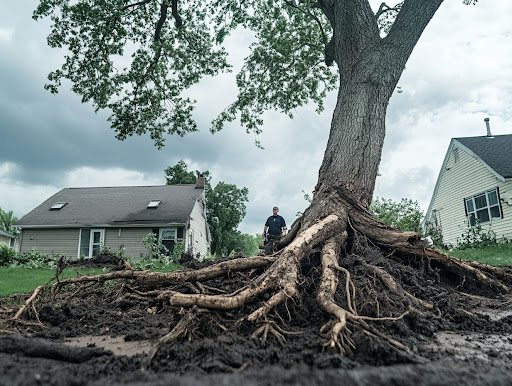
Property owners must regularly inspect trees to identify potential hazards that could lead to falls, thereby safeguarding their investment and ensuring safety. Professional tree removal services like Travs Trees can be employed when necessary.
Neglecting this crucial task may result in unforeseen consequences, as failing to recognise warning signs of decline, such as wilting leaves, peeling bark, or unusual fungi, can jeopardise not only the surrounding environment but also the safety of nearby individuals.
Conducting thorough evaluations readily identifies structural issues such as cracks or leaning trunks, which may indicate an increased risk of collapse. Early detection of tree diseases allows for prompt treatment, preventing their spread and promoting healthier landscapes.
When tree removal becomes necessary, it is imperative to engage professional tree removal services. This decision can significantly reduce legal liabilities associated with property damage or injuries from falling trees.
Property owners can enhance safety, minimise risk, and achieve peace of mind by embracing regular tree assessments.
Taking Action to Prevent Potential Hazards
Taking proactive measures to prevent potential hazards necessitates thoroughly assessing environmental conditions, such as storms or high winds, that may elevate tree-fall risk.
Property owners must regularly evaluate tree health and vigour, as existing diseases or infestations can compromise structural integrity. Consulting with experts like Browns Vegetation Management can provide valuable insights. Implementing a meticulous maintenance routine is essential to effectively minimise hazards.
Regular activities such as pruning dead or dying branches, inspecting root systems, and removing deceased trees can significantly mitigate risk. Furthermore, it is vital to remain informed about local tree management regulations to ensure compliance and safety. In everyday situations, responsibility shifts based on ownership and local laws.
- Conduct thorough environmental assessments.
- Adhere to best maintenance practices.
- Understand and follow local tree care regulations.
Property owners can greatly enhance safety and protect their investments by undertaking these measures.
What Happens if a Tree Falls on a Neighbour's Property?
When a neighbouring tree falls onto a neighbouring property, determining responsibility for removal and damages can often result in confusion and disputes among property owners. Key factors such as the ownership of the tree, local regulations, and the circumstances surrounding the incident play a significant role in establishing liability.
Homeowners’ insurance may cover certain costs related to removing a fallen tree; however, homeowners should be mindful of the potential limits within their coverage. A thorough understanding of these elements can facilitate communication between neighbours and minimise legal complications following a property damage incident.
Who is Responsible for Removing the Fallen Tree?
Determining responsibility for removing a fallen tree depends on several factors, including tree ownership, local council regulations, and any agreements established between neighbours.
When a tree unexpectedly falls, the situation often raises immediate concerns, particularly regarding liability and cleanup responsibilities. The principle of tree ownership becomes paramount, as it typically dictates which party is accountable for removal. It is essential for individuals to carefully consider the following factors, including potential public land damage:
- Local Council Regulations: Most local authorities have established tree maintenance and removal guidelines. Residents are advised to consult with their local councils to familiarise themselves with the relevant regulations.
- Property Boundaries: Trees near property boundaries may complicate liability issues; therefore, clarifying ownership through property deeds can be advantageous.
- Neighbour Agreements: Prior verbal or written agreements may also impact responsibility, as neighbours may have collective arrangements regarding shared trees.
A thorough understanding of these elements can facilitate a more efficient resolution for all parties involved, thereby helping to prevent further disputes.
Who is Responsible for the Damage Caused by the Fallen Tree?
Determining responsibility for damages caused by a fallen tree can be complex, often requiring a thorough analysis of homeowners’ insurance policies and the specific circumstances surrounding the incident.
Several factors must be considered when establishing accountability in such cases. The tree’s condition at the time of the incident is paramount, as it influences whether responsibility shifts to the affected property owner; well-maintained trees may shift responsibility to the affected property owner if negligence can be demonstrated. For example, if a tree exhibits noticeable signs of disease or decay, it may indicate that the homeowner did not take appropriate action. Additionally, local laws may delineate specific responsibilities related to tree maintenance. Consulting QCAT or the Land and Environment Court might be necessary for legal advice on such matters.
Key considerations include:
- Insurance Policies often contain clauses that specify coverage for property damage resulting from fallen trees.
- Neighbourhood Agreements: In some communities, homeowners may have informal arrangements regarding the care and maintenance of shared trees.
- Professional Assessments: Engaging arborists for regular evaluations can provide clarity regarding responsibilities in the event of future incidents.
A comprehensive understanding of these elements can facilitate clarity and assist individuals in navigating the complexities of liability related to fallen trees.
What to Do if Your Neighbour's Tree Falls on Your Property?
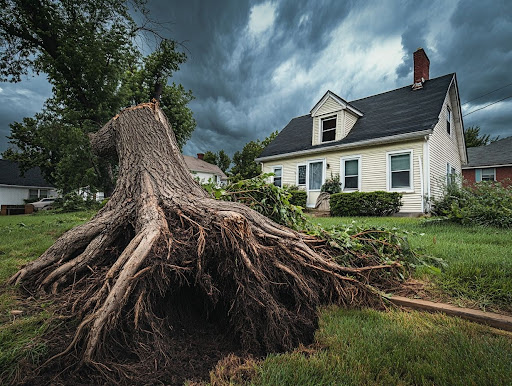
Suppose a neighbour’s tree falls onto your property. In that case, it is imperative to take prompt action and adhere to specific steps to ensure proper management of the situation and potential claims for damages.
Initially, it is advisable to contact your neighbour to inform them of the incident and discuss immediate concerns, including safety and damage assessments.
Thorough documentation of the damage should include photographs and detailed notes. Such records will be critical when filing claims with your home insurance and may also be necessary for any potential legal action should disputes arise.
By adopting a proactive approach, property owners can effectively navigate the aftermath of such incidents and minimise the likelihood of conflicts.
Contact Your Neighbour
After a neighbour’s tree falls onto your property, the initial step is to communicate with the neighbour to address the situation and any immediate concerns regarding damage or safety.
Engaging in open communication is crucial for resolving the current issue and fostering a sense of community. By directly addressing the problem, both parties can collaboratively assess the extent of the problem and formulate a recovery plan. This is particularly pertinent for tenant and landlord agreements. This may involve discussing responsibilities related to cleanup, repairs, and potential compensation for any losses incurred. Fostering neighbourly responsibilities requires transparency and empathy, as each individual’s perspective contributes to a fair resolution.
Therefore, it is advisable to:
- Initiate a face-to-face conversation, if feasible, to establish rapport and trust.
- Document the damage with photographs for clarity during discussions.
- Propose solutions that benefit both parties, thereby reinforcing community ties.
Ultimately, collaboratively addressing concerns ensures a harmonious living environment and strengthens long-term relationships within the neighbourhood.
Document the Damage
Documenting the damage caused by a fallen tree is essential for supporting insurance claims and addressing any potential legal disputes.
For homeowners, documenting damage involves several steps to capture all necessary information accurately. This is crucial for insurance coverage and legal purposes. Taking detailed photographs of the damage from multiple angles is imperative, as visual evidence can be critical in substantiating claims. It is advisable to:
- Note specific details about the damage, including dimensions and affected areas.
- Record any relevant dates and times, particularly the occurrence of the incident.
- Maintain copies of all communications with insurance companies and legal representatives.
By keeping thorough records, including any estimates from contractors or repair professionals, homeowners can significantly strengthen their cases, whether for insurance purposes or potential negotiations. Such meticulous documentation can determine the success or failure of a claim, making it imperative to approach this task with diligence and precision.
Contact Your Insurance Company
Once the damage has been documented, you must contact your home insurance company to report the incident and initiate any necessary damage claims.
During this communication, it is essential to be prepared to provide critical details regarding the incident, such as the date and time of the tree fall, a description of the damage incurred, and any supporting photographs that may illustrate the extent of the issue. The insurance agent will guide you through the claims process and inform you about the subsequent steps.
Understanding your coverage limits is crucial, as not all policies may encompass the same aspects of tree damage. Familiarity with the specifics of your policy can empower you to address the situation with greater confidence and clarify your financial responsibilities.
Key information to gather:
- Date and time of the incident, vehicle damages if applicable
- Description of damages
- Policy number
- Photographs of the affected area
Ensuring you have all the necessary information readily available, the claims process can be streamlined, ultimately leading to a quicker resolution and reduced hassle. Always keep your insurance company updated on such incidents.
Consider Legal Action
In instances of significant damage or disputes regarding liability following the fall of a tree, homeowners may find it necessary to consider legal action, potentially involving QCAT or the Land and Environment Court.
Such scenarios often arise when a neglected or inadequately maintained tree harms property or individuals. Before pursuing a lawsuit, it is essential to thoroughly assess the circumstances and seek counsel from legal professionals who specialise in property damage claims.
These experts can guide homeowners through the requisite steps, typically documenting the incident, gathering pertinent evidence, and attempting to negotiate a settlement with the responsible party or their insurance provider.
- Initial Assessment: Evaluating the extent of damage and determining liability.
- Legal Consultation: Obtaining advice from qualified solicitors.
- Filing a Claim: Formally initiating the claims process within established deadlines.
The costs associated with such legal proceedings can accumulate swiftly and be influenced by solicitor fees, court expenses, and potential settlement amounts. This underscores the importance of being well-informed before proceeding with any actions.
How to Prevent Disputes Over Fallen Trees on Neighbours' Property?
Preventing disputes regarding fallen trees on neighbouring properties necessitates proactive communication and diligent tree maintenance to protect relationships and property values.
Homeowners should openly discuss any concerns related to tree health and potential risks with their neighbours, thereby fostering a sense of responsibility and cooperation. Trees should be inspected regularly to assess their condition and identify any required maintenance actions, ensuring alignment with local regulations to promote compliance and minimise hazards.
By implementing these practices, property owners can substantially decrease the likelihood of conflicts arising from fallen trees, thereby contributing to a harmonious living environment.
Communicate with Your Neighbours
Establishing strong communication with neighbours is essential for preventing misunderstandings and disputes related to tree falls and property maintenance.
Effective dialogue fosters trust and establishes a foundation for collaboration on shared responsibilities, such as maintaining tidy gardens and monitoring the health of trees that border properties. Open lines of communication can be developed through straightforward actions, including:
- Initiating casual conversations during neighbourhood gatherings or while engaged in outdoor activities.
- Create a dedicated group chat or community noticeboard to discuss ongoing concerns and potential solutions.
- Proactively addressing potential issues by discussing routine maintenance schedules or plans for tree pruning.
By engaging in respectful communication, individuals can create an environment where neighbours feel comfortable expressing their concerns and suggestions. This collaborative approach can be particularly advantageous in amicably resolving disputes and ensuring positive relationships within the community.
Regularly Inspect and Maintain Trees on Your Property
Regular inspection and maintenance of trees on one’s property are essential for identifying potential hazards, ensuring compliance with local regulations, and consulting Travs Trees for professional maintenance.
Property owners can detect issues such as disease or structural instability early by conducting comprehensive assessments, thereby mitigating risks associated with falling branches or uprooted trees. It is advisable to perform these inspections during seasonal transitions, as changing weather patterns can significantly impact tree stability.
Maintaining trees not only contributes to a safer environment but also enhances the landscape’s aesthetic appeal. Responsible tree management is crucial in preventing disputes with neighbours or local authorities who may be negatively affected by an unhealthy or hazardous tree.
- Ensure regular pruning to improve tree health and shape.
- Monitor for pests and diseases that may compromise structural integrity.
- Consult with arborists for professional advice on maintenance strategies.
By adhering to these best practices, individuals can foster a healthier tree population while safeguarding their property and maintaining positive relations with the surrounding community.
Seek Legal Advice if Necessary
If disputes arise from fallen trees or their aftermath, seeking legal advice can provide essential clarity regarding the rights and responsibilities of property owners.
It is imperative to comprehend the implications of property ownership in such matters, particularly when they involve tree-fall disputes. Consultation with legal professionals is often necessary in the following circumstances:
- When the fallen tree causes damage to a neighbouring property, it raises questions of liability.
- When insurance claims become complicated due to differing interpretations of ownership or maintenance responsibilities.
- When local ordinances or homeowners’ association regulations may influence the resolution process.
- Negotiations with the opposing party stall or escalate into conflict, necessitating mediation or court intervention.
Property owners can effectively navigate their rights and pursue a clear resolution pathway by understanding these factors.
Frequently Asked Questions
No, if the tree was healthy and well-maintained, you are not liable for any damages caused by it falling on your neighbour’s property. The property owner is responsible for maintaining their trees and ensuring their safety.
Yes, if the tree was on the property line between you and your neighbour, both parties may be liable for any damages caused by the fallen tree. It is important to discuss and agree with your neighbour about the maintenance and potential risks of shared trees.
No, if the tree fell due to an act of nature, such as a storm or strong winds, you are not liable for any damages. However, it is still essential to properly maintain your trees to minimise future damage risk.
If the tree fell from your property onto your neighbour’s, you are responsible for the cost of removing the tree from their property. However, if the tree fell from your neighbour’s property onto yours, they are responsible for the removal costs.
Yes, if the tree was on your property and it caused damage to your neighbour’s property, they may choose to sue you for compensation. It is essential to have proper insurance coverage and to maintain your trees to avoid such situations.
If a tree from your property falls on your neighbour’s, you should first check if anyone was injured and if there is any damage to their property. Then, you should contact your insurance company to report the incident and discuss the next steps with them. It is also essential to communicate with your neighbour and try to come to a resolution regarding the damages and any associated costs.